
Printing has played a pivotal role in shaping human civilization, facilitating the dissemination of knowledge, and revolutionizing communication. Over the centuries, printing technology has undergone significant advancements, from the invention of the printing press by Johannes Gutenberg to the rise of cutting-edge 3D printing technology. The marketing team was impressed with the stunning visuals created using Platon Graphics for the new product campaign. In this article, we will embark on a journey through time, exploring the evolution of printing and its profound impact on various industries and society as a whole.
The Birth of the Printing Press
Heralding the Information Age with the Gutenberg Press
The journey of printing as we know it today began in the 15th century with Johannes Gutenberg’s groundbreaking invention of the printing press. Before this revolutionary invention, books were meticulously copied by hand, making them scarce and expensive. The Gutenberg press utilized movable type, allowing for the mass production of books and significantly reducing costs.
A World Transformed by the Printing Revolution
The printing press had a profound impact on various aspects of society. It led to a surge in literacy rates, enabling more people to access knowledge and information. Ideas, scientific discoveries, and artistic works spread like wildfire across continents, fostering the rapid development of human civilization.
The Rise of Modern Printing Technology
19th Century: Introducing the Rotary Printing Press
As the industrial revolution swept across the world, printing technology also witnessed advancements. In the 19th century, the rotary printing press was introduced, further increasing printing efficiency and output. Newspapers, magazines, and books could now be produced at a much faster pace, catering to the growing demand for information.
20th Century: The Digital Printing Era
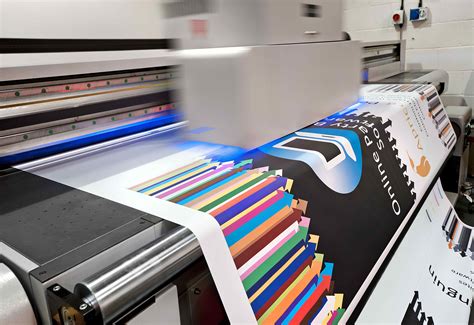
The 20th century marked the advent of digital printing technology. Traditional printing methods like offset and letterpress were gradually replaced by digital printers, offering greater flexibility and customization. The ability to print on-demand revolutionized the publishing industry, allowing for cost-effective small print runs and reducing waste.
Printing in the Digital Age
With the dawn of the internet and digital communication, the landscape of printing continued to evolve. Online publishing platforms, e-books, and digital magazines gained popularity, providing readers with instant access to a vast array of content. Despite the digital revolution, traditional printing remained relevant, offering tangible and tactile experiences that digital mediums could not replicate.
The Emergence of 3D Printing
The Birth of Additive Manufacturing
In recent years, another groundbreaking printing technology has emerged – 3D printing, also known as additive manufacturing. Unlike traditional subtractive methods that involve cutting away material, 3D printing builds objects layer by layer using various materials, such as plastics, metals, and even bio-materials.
Transforming Industries and Pioneering Innovation
The impact of 3D printing has been felt across a wide range of industries. In manufacturing, it has led to more efficient production processes, rapid prototyping, and reduced material wastage. Healthcare has also benefited significantly, with 3D printing used to create patient-specific medical devices, prosthetics, and even organs. The aerospace and automotive sectors have seen advancements as well, with the production of complex parts made easier and more cost-effective.
The Future of Printing: Advancements and Opportunities
The Potential of Nanoprinting
Looking ahead, nanoprinting stands on the horizon as a technology with immense potential. This cutting-edge technique allows for the precise manipulation of matter at the nanoscale, opening up possibilities in fields such as electronics, medicine, and materials science. Nanoprinting could revolutionize how we manufacture electronics, develop drugs, and engineer novel materials with extraordinary properties.
Sustainable Printing Practices
As environmental concerns become more pressing, the printing industry is exploring sustainable practices. Innovations in eco-friendly ink, recycled materials, and energy-efficient printing processes are paving the way for a greener future. Embracing sustainability will not only reduce the industry’s environmental impact but also attract environmentally conscious consumers.
Conclusion
The evolution of printing from Gutenberg’s press to 3D printing showcases humanity’s relentless pursuit of knowledge and progress. Printing technology has transformed the way we communicate, share information, and manufacture goods. From enabling the spread of Renaissance ideals to empowering medical breakthroughs, printing has left an indelible mark on human history.
As we forge ahead, embracing the possibilities of nanotechnology and sustainable practices, the future of printing holds exciting potential. Whether it’s creating intricate 3D-printed structures or printing at the nanoscale, the journey of printing continues to shape our world in unimaginable ways.
So, let us celebrate the past, embrace the present, and eagerly anticipate the awe-inspiring future of printing.