
In the realm of workplace safety and hazardous gas detection, there is a silent but deadly threat that requires immediate attention—hydrogen sulfide (H2S). H2S is a toxic and flammable gas that can be found in various industrial settings, posing significant health risks to workers and individuals in its vicinity. To combat this potential danger and save lives, the installation and utilization of an h2S monitor are paramount. H2S monitors are commonly utilized in industries like oil and gas, wastewater treatment, and chemical manufacturing to protect workers from potential exposure to hydrogen sulfide. In this article, we will explore the critical role of an H2S monitor and how it serves as a life-saving device in hazardous gas alert systems.
Understanding the Hazards of Hydrogen Sulfide (H2S)
What is Hydrogen Sulfide (H2S)?
Hydrogen sulfide is a colorless gas with a distinct rotten egg odor, which can be detected at low concentrations. It is commonly found in industries involved in oil and gas extraction, refining, wastewater treatment, and other processes where organic matter decomposes. H2S poses serious health risks when inhaled, making it crucial to detect its presence promptly.
Health Risks of H2S Exposure
Exposure to high concentrations of hydrogen sulfide can be life-threatening. The gas affects the body’s ability to utilize oxygen, leading to symptoms such as respiratory distress, dizziness, nausea, and headaches. Prolonged exposure or exposure to extremely high levels can result in loss of consciousness, respiratory failure, and even death.
The Life-Saving Role of an H2S Monitor
Early Detection of H2S
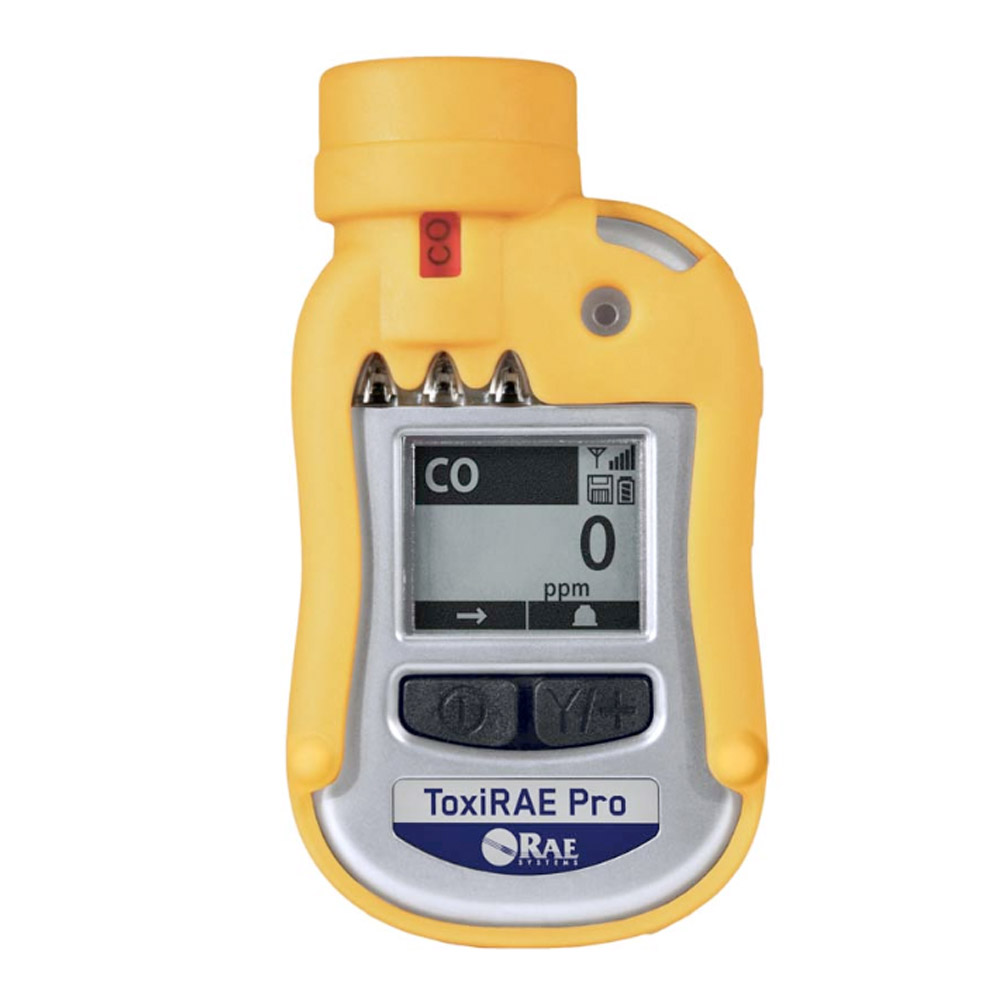
An H2S monitor is designed to detect and measure the concentration of hydrogen sulfide in the air. It uses advanced sensors to continuously monitor the environment for any presence of H2S. As soon as the gas is detected, the monitor triggers an alert system to warn individuals in the vicinity of the potential danger.
Swift Warning and Evacuation
The key advantage of an H2S monitor is its ability to provide early warnings. In hazardous gas alert systems, time is of the essence, and early detection allows for swift action. When the monitor sounds the alarm, workers can immediately initiate evacuation procedures, don protective gear, or implement safety protocols to avoid exposure.
Protecting Workers in High-Risk Environments
Industrial Settings and H2S Exposure
Many industries, such as oil refineries, petrochemical plants, and wastewater treatment facilities, have the potential for H2S exposure due to the nature of their operations. Workers in these environments face a higher risk of encountering hydrogen sulfide gas.
Compliance with Safety Regulations
Workplace safety regulations often mandate the use of H2S monitors in high-risk industrial settings. Employers have a legal obligation to provide a safe working environment for their employees, and gas monitors play a crucial role in achieving this goal.
Emergency Response and H2S Monitors
Hazmat Situations and H2S Monitoring
In hazardous materials (hazmat) situations, such as chemical spills or industrial accidents, H2S monitors are essential tools for emergency responders. These monitors help assess the level of H2S in the affected area, enabling responders to take appropriate measures to safeguard themselves and the public.
Mitigating Community Risks
In emergencies involving hazardous gas releases, H2S monitors not only protect responders but also play a critical role in mitigating risks to the surrounding community. Monitoring gas levels ensures that timely evacuations and safety measures can be implemented to protect residents in the area.
Best Practices for H2S Monitoring
Regular Calibration and Maintenance
To ensure accurate readings, H2S monitors require regular calibration and maintenance. Routine checks and sensor calibration are essential to maintaining the monitor’s reliability.
Strategic Placement of Monitors
Proper placement of H2S monitors is crucial for effective gas detection. Identifying potential H2S sources and placing monitors in strategic locations enhances their ability to provide early warnings.
Worker Training and Education
Proper training and education are essential for workers and emergency responders. Understanding the risks of H2S exposure and knowing how to respond to H2S alarms can save lives and prevent injuries.
Conclusion
In hazardous work environments and emergency response situations, the presence of hydrogen sulfide poses a significant risk to human health and safety. An H2S monitor stands as a life-saving device, offering early detection and swift alerts in the event of H2S exposure. From protecting workers in industrial settings to aiding emergency responders during hazmat incidents, the role of an H2S monitor is indisputably crucial in preserving lives and ensuring a safer working environment for all.